

The recurring reports of hostility toward Nigerians in South Africa continue to generate concern among many citizens. While Nigeria and South Africa remain strategic partners on the African continent, incidents involving xenophobic attacks and calls for Nigerians to leave South Africa have left many Nigerians feeling disappointed and betrayed.
These sentiments are rooted not only in present-day events but also in history. During the dark years of apartheid, Nigeria stood firmly with the people of South Africa in their struggle for freedom and equality. Successive Nigerian governments provided financial assistance, diplomatic support, scholarships, and international advocacy for the anti-apartheid movement. Millions of Nigerians also contributed through solidarity initiatives, while Nigeria consistently championed sanctions against the apartheid regime and supported liberation efforts until South Africa attained democracy.
The sacrifices made by Nigeria during that difficult period remain one of the proudest chapters in Africa’s history. It is therefore painful for many Nigerians to witness hostility directed at their fellow citizens in South Africa today. Many believe that the friendship, solidarity, and sacrifices of the past should be remembered and reflected in the treatment of Nigerians living and doing business in South Africa.
Against this backdrop, some citizens have suggested that MTN, the South African telecommunications giant that has enjoyed remarkable success in Nigeria, should consider expanding opportunities for Nigerian ownership through the sale of additional shares to local investors. Advocates argue that such a move would strengthen local participation in the company and further demonstrate its commitment to the Nigerian market, which has contributed significantly to its growth and profitability.
The conversation should not be limited to MTN alone. Other South African companies operating in Nigeria have also benefited from the country’s vast market, welcoming business environment, and economic opportunities. Many Nigerians believe that these companies should broaden local participation by increasing Nigerian ownership and shareholding opportunities. Such measures would deepen economic cooperation, create a stronger sense of partnership, and ensure that Nigerians who have contributed to the success of these enterprises have a greater stake in their future.
Some have also argued that Nigerian investors and business groups should explore opportunities to acquire larger stakes in major South African-owned companies operating in Nigeria, including retail giants such as Shoprite. They contend that increased local participation would promote mutual economic interests and strengthen commercial ties between both nations.
It is important, however, that discussions on these issues remain constructive and focused on strengthening economic cooperation rather than promoting division. Nigeria and South Africa remain two of Africa’s most influential nations, and their relationship should be guided by mutual respect, fairness, gratitude, and the protection of citizens in both countries.
As Africans striving for unity and development, there is a need for both governments to address tensions, protect foreign nationals, and ensure that the spirit of African brotherhood prevails over prejudice and hostility. History should never be forgotten, and the support Nigeria extended to South Africa during its years of struggle should always be remembered and appreciated.
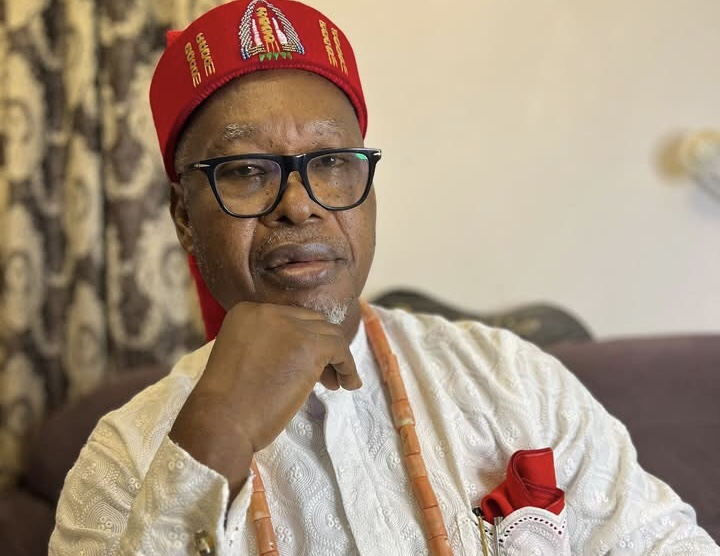
Hon. Chief Edet Isong (Okete Okete Oro)
Publisher, Newsday Newspaper