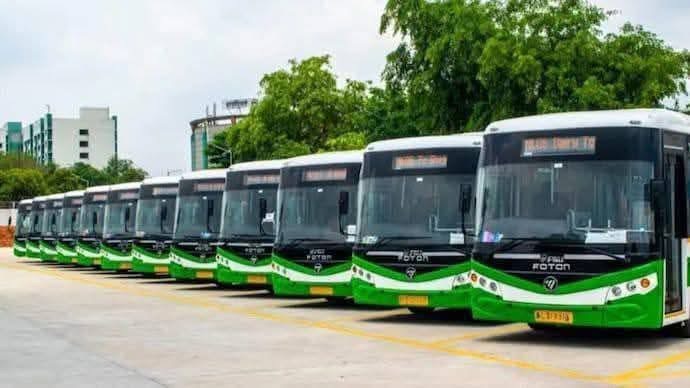

The arrival of the first batch of Compressed Natural Gas (CNG) buses in Akwa Ibom State marks a significant milestone in the state’s journey toward a modern, affordable, and efficient public transportation system. It is a development that deserves commendation because it addresses one of the everyday challenges faced by thousands of residents.
Transportation remains a vital part of economic and social life. Every day, workers travel to their offices, students commute to schools, traders transport their goods to markets, and farmers move produce from rural communities. When transport costs become unbearable or services are unreliable, the burden falls directly on the people. Governor Umo Eno’s CNG bus initiative is therefore a thoughtful response to these challenges.
The introduction of these buses has the potential to reduce the cost of transportation, improve the safety and comfort of commuters, and create a more organized transport system across the state. More importantly, it demonstrates that government policies can move beyond announcements to practical implementation that positively impacts the lives of citizens.
However, the long-term success of this laudable initiative will depend on effective management and proper maintenance. The buses should be operated with the same culture of professionalism that has earned Ibom Air its reputation for excellence, while still ensuring that fares remain within the reach of ordinary citizens.
A well-equipped maintenance workshop should be established to keep the buses in excellent condition, while mechanics should receive specialized training in maintaining CNG-powered vehicles. Likewise, only experienced, disciplined, and safety-conscious drivers should be entrusted with operating the fleet. These measures will protect the government’s investment and guarantee quality service for years to come.
As the programme expands, the state government should also consider extending the CNG transport initiative beyond intra-state routes to major inter-state destinations such as Abuja and Lagos. Many Akwa Ibom indigenes, civil servants, students, business owners, and other travelers frequently commute between Uyo and these cities. Affordable and reliable CNG bus services on these routes would ease the financial burden on citizens, strengthen economic ties, and further demonstrate the government’s commitment to improving transportation for all.
The government should also ensure that the transport system extends beyond Uyo to other local government areas so that rural communities equally enjoy its benefits. Affordable and reliable transportation will stimulate economic activities, improve access to education and healthcare, and enhance the overall quality of life for the people.
Many commuters have continued to express concern over the high fares charged by some private transport operators. For instance, paying as much as ₦3,000 for a trip between Oron and Uyo places a heavy burden on many families. A functional government-owned mass transit system will provide healthy competition, encourage fair pricing, and offer commuters a dependable alternative.
Governor Umo Eno deserves recognition for taking this important step. The CNG bus initiative is more than the introduction of new vehicles; it is an investment in the welfare of the people and the future development of Akwa Ibom State. With sound management, proper maintenance, and future expansion to strategic destinations like Abuja and Lagos, this initiative can become one of the administration’s most enduring legacies.
By:
Chief Edet Isong
Okete Okete Oro
Ward 2, Urue Offong/Oruko Local Government Area.