





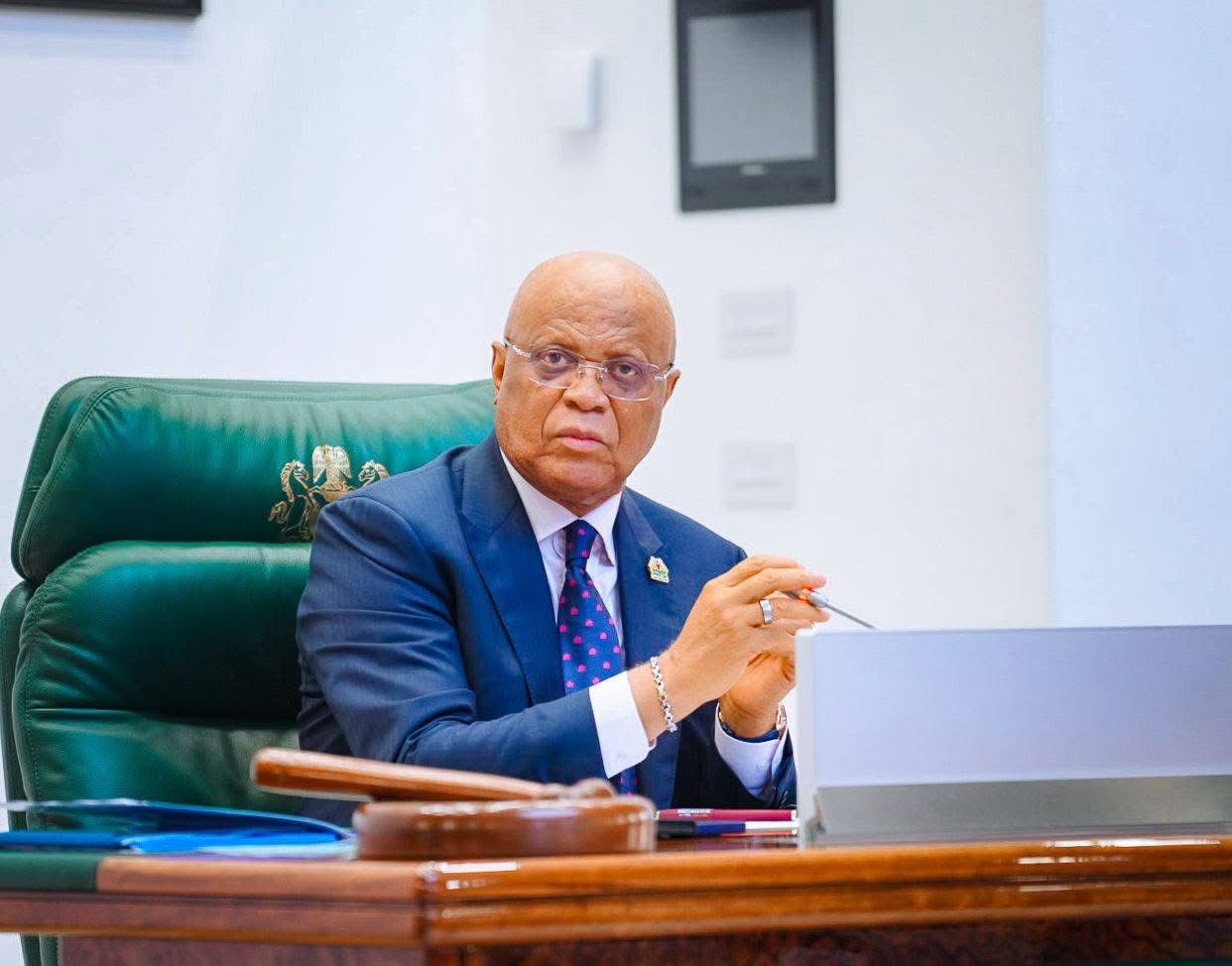
The coastal city of Oron is witnessing a remarkable transformation as the administration of Umo Eno accelerates investment in blue economy infrastructure, repositioning the historic maritime hub as a focal point for sustainable economic growth in southern Nigeria.
Long regarded for its rich fishing heritage and strategic access to the Atlantic, Oron has, for decades, struggled to fully harness its marine potential. Today, that narrative is changing. Through a series of targeted interventions, the state government is reviving the city’s economic relevance by aligning development efforts with global blue economy principles—maximizing ocean resources while ensuring environmental sustainability.
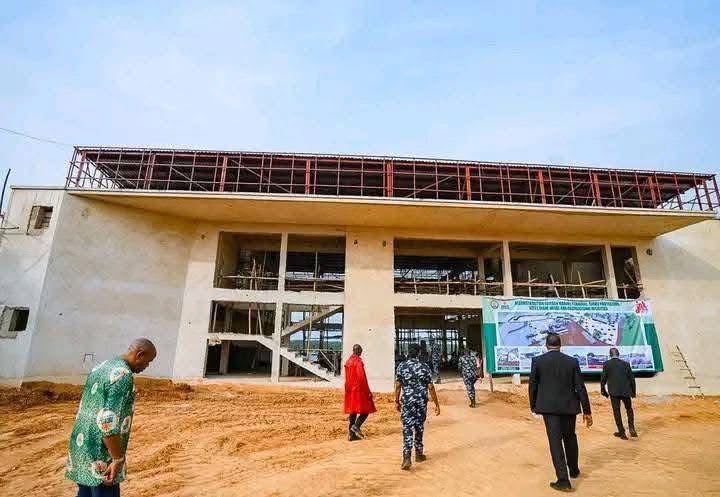
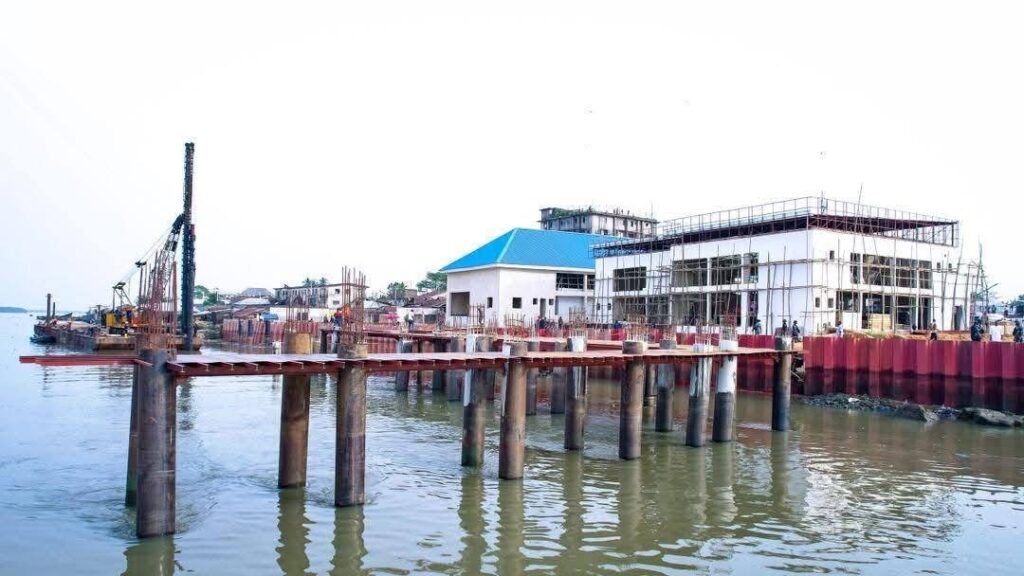
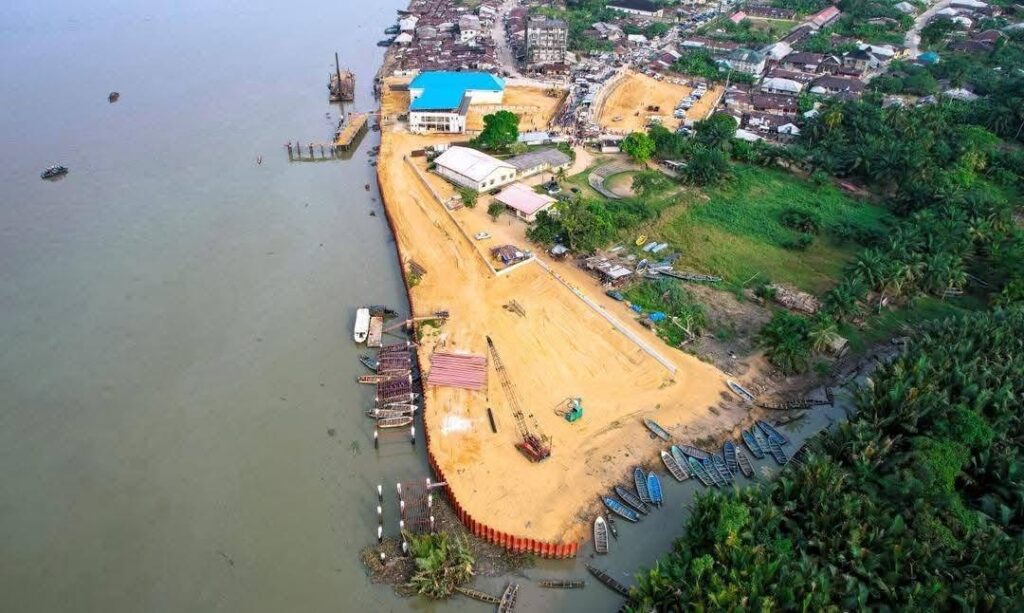
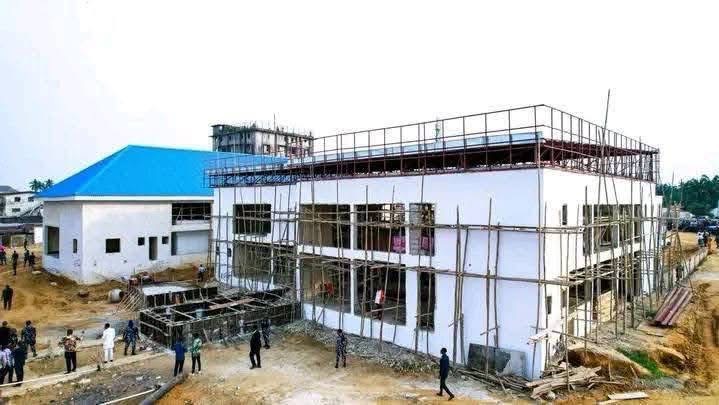
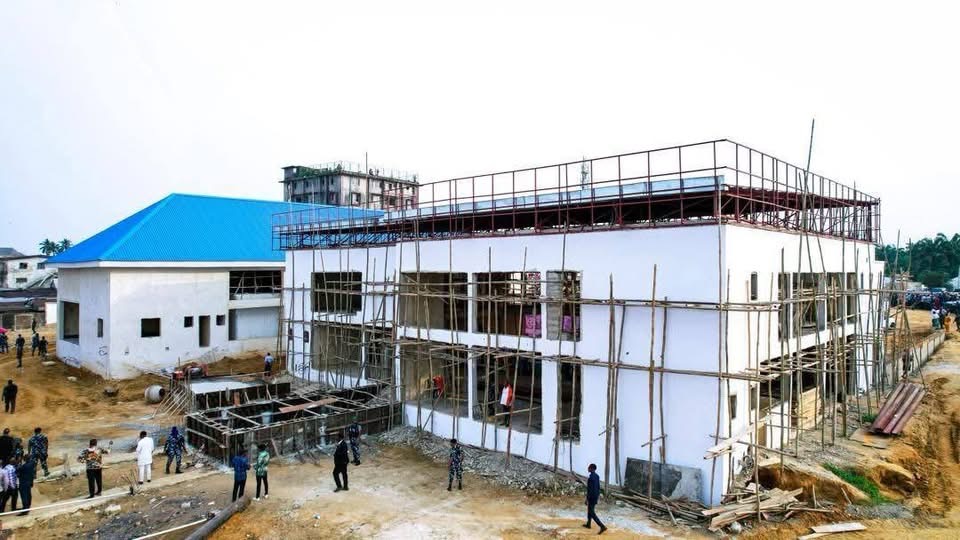
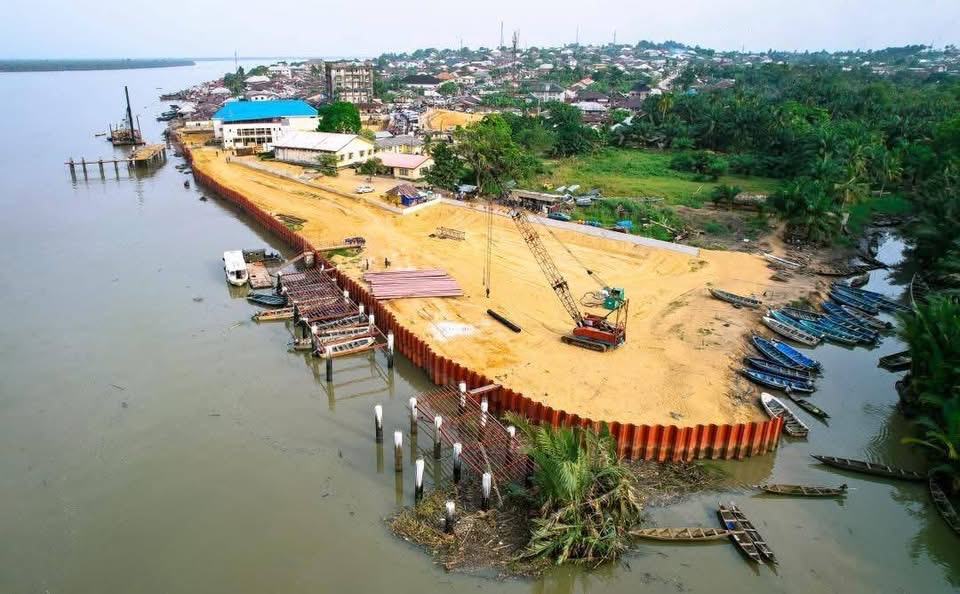
At the center of this transformation is the Oron Maritime Infrastructure Project, a comprehensive initiative designed to modernize the region’s fisheries and marine logistics value chain. Key components include a modern terminal building, a large-scale warehouse complex, a mega cold room facility, and dry storage systems. These facilities are expected to significantly reduce post-harvest losses—an issue that has long plagued local fishermen—while improving product quality, market access, and income levels.
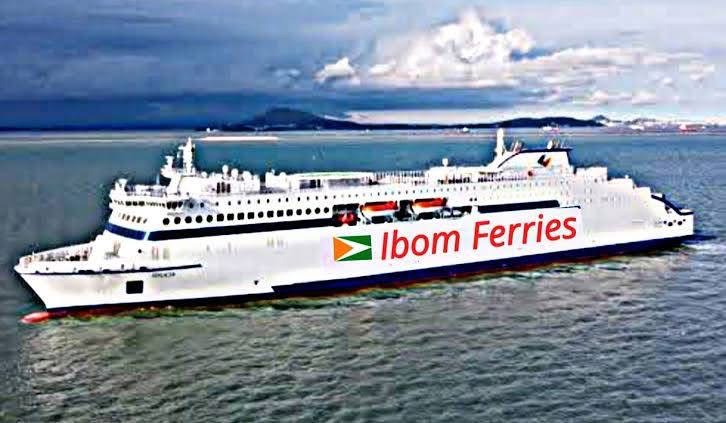
Beyond fish processing and storage, the project integrates transport and connectivity upgrades. The introduction of a structured ferry system is set to enhance waterway transportation across coastal communities, while a newly constructed motor park aims to streamline land-based mobility. Together, these developments are expected to ease the movement of goods and people, strengthening Oron’s role as a regional trade corridor.
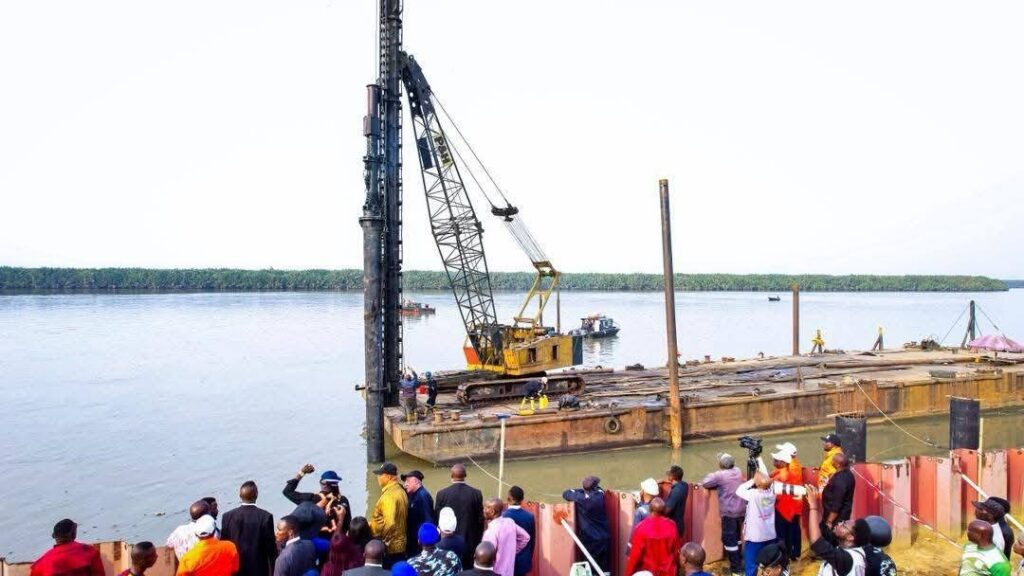
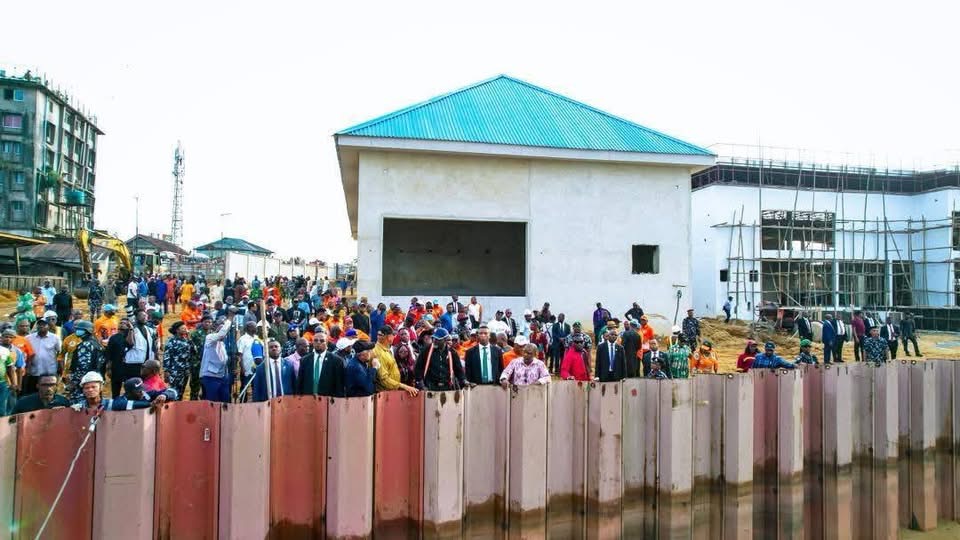
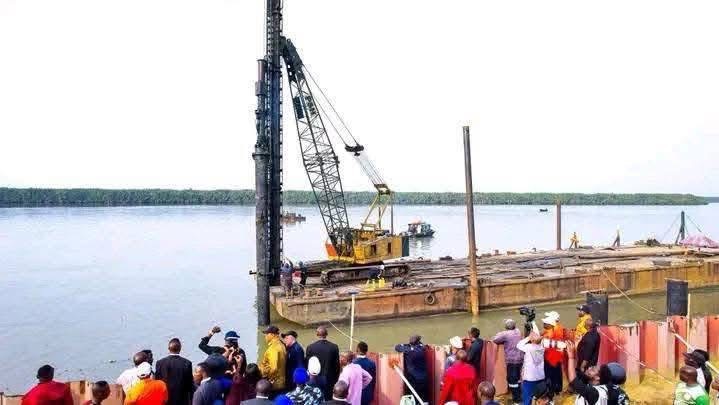
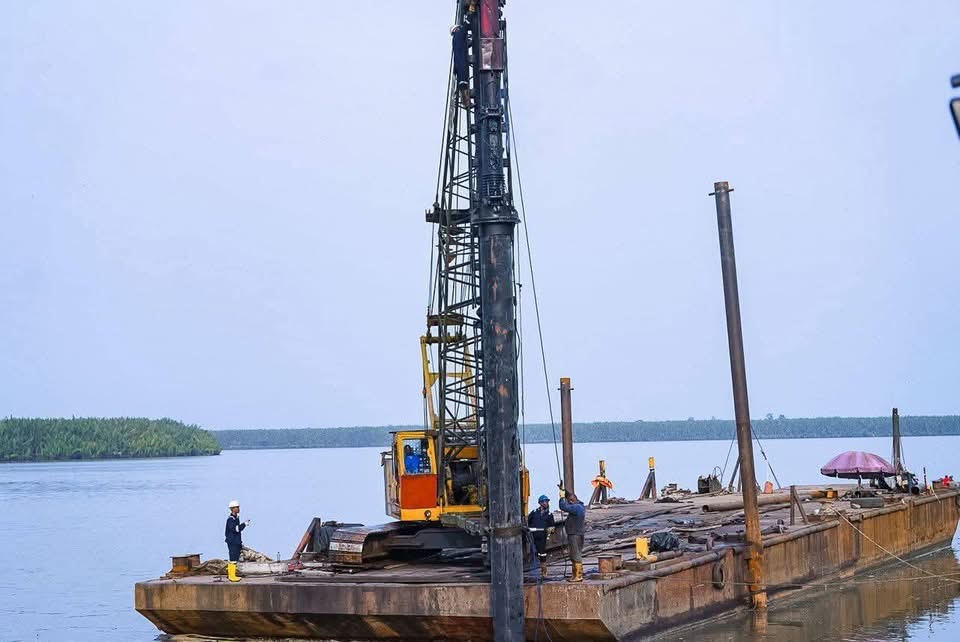
Equally significant are shoreline protection measures currently underway. Coastal erosion has historically threatened homes, businesses, and critical infrastructure in the area. The ongoing interventions are designed not only to preserve the coastline but also to safeguard long-term investments tied to the marine economy.
In line with Governor Eno’s ARISE Agenda—which prioritizes Agriculture, Rural development, Infrastructure, Security, and Economic expansion—the Oron project goes beyond commerce. Recreational spaces and improved security architecture are being incorporated to enhance livability and attract tourism, signaling a broader vision for urban renewal.
Local stakeholders have responded positively. Community leaders, including Chief Edet Isong, have praised the scale and foresight of the initiative following on-site inspections. After touring the project sites, Chief Isong remarked that “Oron has never had it this good,” offering prayers for Governor Umo Eno and his administration while expressing confidence that the developments would usher in lasting prosperity for the people.
Further commendation has also been extended to key figures driving the implementation of the project. Rt. Hon. Orman Esin, who serves as Delivery Advisor on Transportation to the Akwa Ibom State Government, has been recognized for his oversight and coordination of critical transport components. In the same vein, JMK Construction Company Ltd., the contractor handling major aspects of the development, has been applauded for the quality and pace of work on site. Observers note that their combined efforts have contributed significantly to the steady progress and visible transformation taking place across Oron.
Many residents share this optimism, viewing the initiative as a long-overdue effort to restore Oron’s historical status as a gateway for trade and cultural exchange.
Economic analysts suggest that the multiplier effects could be substantial. With improved infrastructure, Oron is poised to attract private sector participation in fisheries, cold-chain logistics, marine transport, and hospitality. The project also aligns with Nigeria’s broader push to diversify its economy away from oil by tapping into underutilized coastal assets.
Importantly, the emphasis on sustainability distinguishes the initiative from past efforts. By integrating modern preservation technology, regulated transport systems, and environmental safeguards, the project reflects a shift toward long-term economic planning rooted in resilience and inclusivity.
As construction advances toward completion, optimism continues to build. For the people of Oron, the ongoing developments represent more than physical infrastructure—they symbolize economic rebirth and a renewed connection to the city’s maritime identity.
If sustained, the blue economy push in Nigeria could serve as a model for coastal development, demonstrating how strategic investment and policy direction can unlock the vast potential of ocean-based economies.








Chief Edet Isong, Okete Okete


