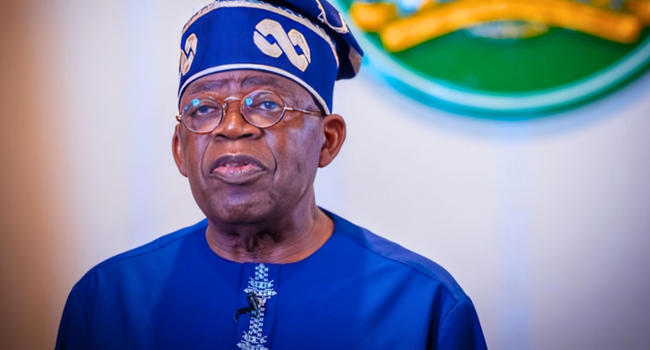

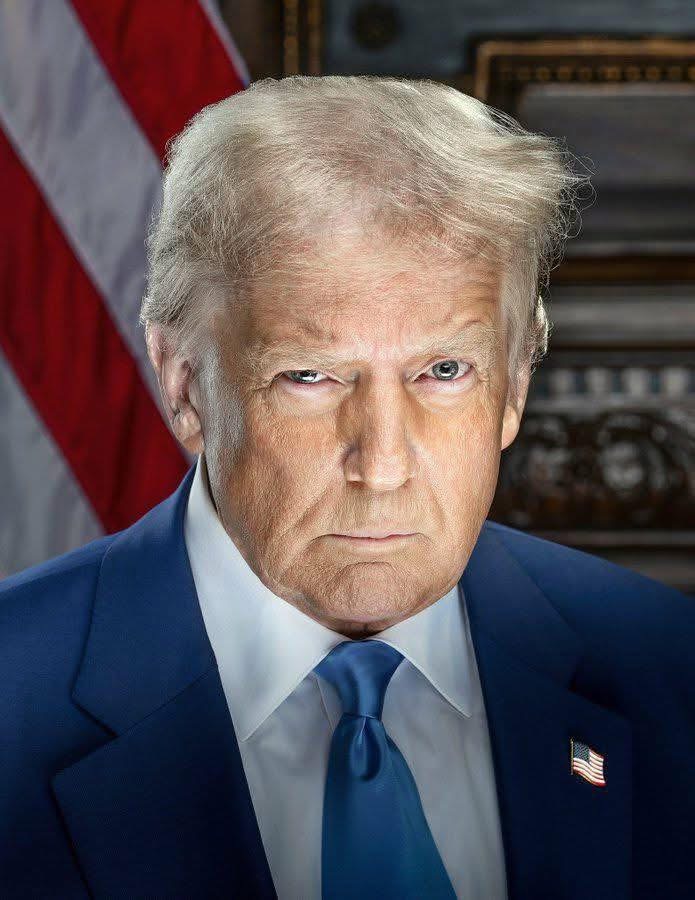
OPINION: I wish to express my personal appreciation to President Donald Trump for the execution of these strikes, as well as to the administration of President Bola Ahmed Tinubu for its military and strategic partnership with the United States in the ongoing war against terror. President Tinubu has displayed uncommon impartiality and exceptional courage. In recent days, individuals who previously criticised my support for President Trump’s reelection have since publicly commended Trump for what they regard as his decisive efforts to assist Nigeria in confronting the persistent threats posed by terrorists and armed bandit groups.
There is a growing sense among many Nigerians of a collective desire to reclaim their nation from violent actors operating across the Sahel region, whose activities have inflicted profound insecurity and loss of lives. Hundreds of our Nigerians have been kidnapped this December month and held in bushes across Nigeria. In this context, his actions are perceived by many as a meaningful step toward restoring national stability and security.
I therefore extend my gratitude and that of many Nigerians to President Trump for what is viewed as a resolute intervention in support of Nigeria’s struggle against terrorism and organised violence.
Nigerians woke up this morning to news circulating on social media indicating that missile strikes were carried out in Sokoto and Zamfara States in north west Nigeria. Based on available video footage, the missiles are alleged to have been launched from a United States naval vessel. However, the precise location of this vessel remains unclear. The most plausible and the closest proximity would be from the Atlantic Ocean, though this has not been officially confirmed.
At the time of writing, Nigerian or American authorities are yet to release verified information regarding casualties. Thus far, the only photographic evidence available shows what appears to be a single missile remnant that landed in a village known as Jabo in Sokoto State. Reports from Zamfara State are still pending, and it remains uncertain whether the circulating video footage corresponds to strikes in Sokoto, Zamfara, or both.
Some Nigerians have been unduly hasty in asserting, through public postings, that the absence of reported casualties implies a security leak. Such assertions are irresponsible, as they reflect a lack of patience and due regard for the time required for authorities to release verified and official casualty figures.
However the most striking and perplexing aspect of these air strikes for most Nigerians lies in their geographical targeting. Sokoto State is not regarded as an epicentre of terrorist activity in Nigeria. Rather, insecurity in that state is primarily attributed to banditry. Furthermore, Sokoto is approximately 90 per cent Muslim, as is Zamfara State. In both states, the victims of violence are overwhelmingly Muslim communities terrorised by loosely organised bandit groups.
This raises significant questions regarding the rationale behind the choice of targets. If the United States had declared that it was conducting operations against Islamic State (ISIS) affiliates, logical targets would be located in the North-East, where the Islamic State West Africa Province (ISWAP), formerly Boko Haram, operates as a recognised ISIS aligned terrorist organisation. Similarly, if the stated objective were to neutralise jihadist groups responsible for the killing of Christians, the most plausible locations would be Benue and Plateau States in Nigeria’s Middle Belt, where such attacks have been particularly pronounced.
As official reports from the governments of Sokoto and Zamfara States are awaited, these are my theories
1. The Border Strategy :
Sokoto and Zamfara are both border states adjacent to the Republic of Niger. The strikes may have been preemptive actions intended to dislodge armed groups within these states, thereby forcing them to flee across Nigerian border communities into Niger, where they could be intercepted and neutralised.
2. Symbolic Targeting:
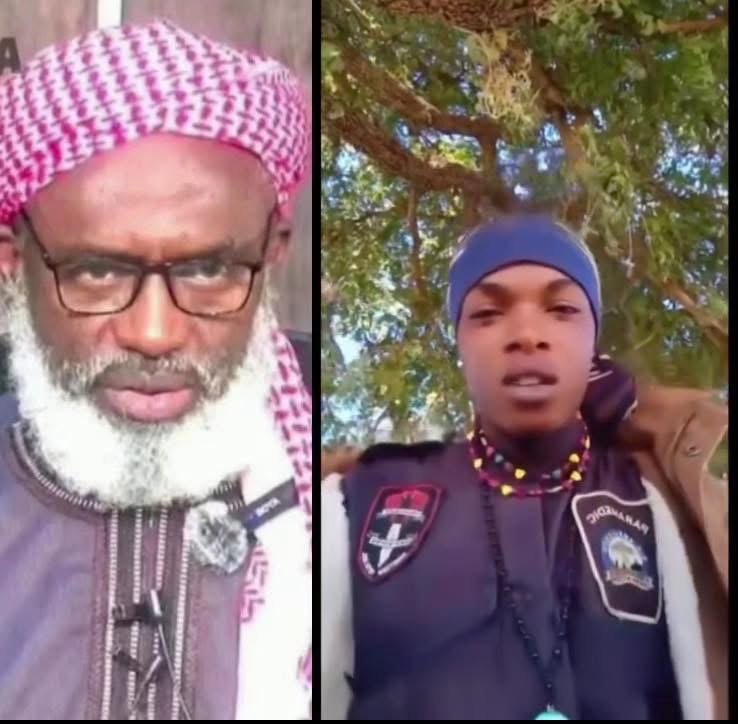
The strike on Sokoto may have been largely symbolic. Certain American policy narratives have occasionally portrayed Sokoto not as an operational hub. A seat alleged to inspire jihadist violence and Fulani herdsmen attacks against Christians. Many Nigerians would strongly contest this characterisation. Historically, Sokoto and its Sultanate have neither served as an ideological engine for extremist movements nor acted as a religious authority over Nigerian Muslims. The Sultan of Sokoto does not function as a supreme religious leader over Muslims in Nigeria, unlike the Ayotallah in Iran. And notably, the current Sultan at one time publicly challenged the Buhari administration over its failure to curb banditry and terrorism in the North. Unlike figures such as Sheikh Gumi, the Sultan has not demonstrated conciliatory or sympathetic position towards jihadist actors. He has been supportive of Federal Government action to curb insecurity across the nation. Thus, while Sokoto may hold symbolic significance in Nigeria’s Islamic history, that position is not current.
3. Deterrence:
The strikes may have been intended as warnings rather than decisive lethal incursions, aimed at deterrence rather than immediate battlefield outcomes.
4. Launch-Distance Consideration:
If the missiles were launched from the Mediterranean Sea rather than the Atlantic, Sokoto and Zamfara would represent some of the closest Nigerian states within operational range.
5. Operational Error:
A less charitable explanation is the possibility of a significant operational or intelligence failure within the American military command structure, resulting in missiles being directed toward incorrect locations. Not likely.
Is This A Possibility?
As the international community and Nigerians await verified casualty reports, it is necessary to consider an alternative interpretation should the foregoing analyses prove inaccurate.
(6) Demonstratable Impartiality of The American Government:
It is conceivable that the United States deliberately targeted bandit groups terrorising Muslim communities in northern Nigeria. If this interpretation holds, it would represent a notable departure from prior American policy assumptions. Such a shift would align more closely with the prevailing Nigerian narrative that, while Christian communities have suffered disproportionately visible attacks, Muslim populations have also endured sustained violence.
Under this framework, the United States may have sought to demonstrate strategic impartiality by first addressing violence against Muslim communities, with the possibility of more sustained operations later focusing on regions where Christian populations have been particularly targeted, especially in the Middle Belt. At present, the situation remains unclear. The strikes have generated more questions than answers.
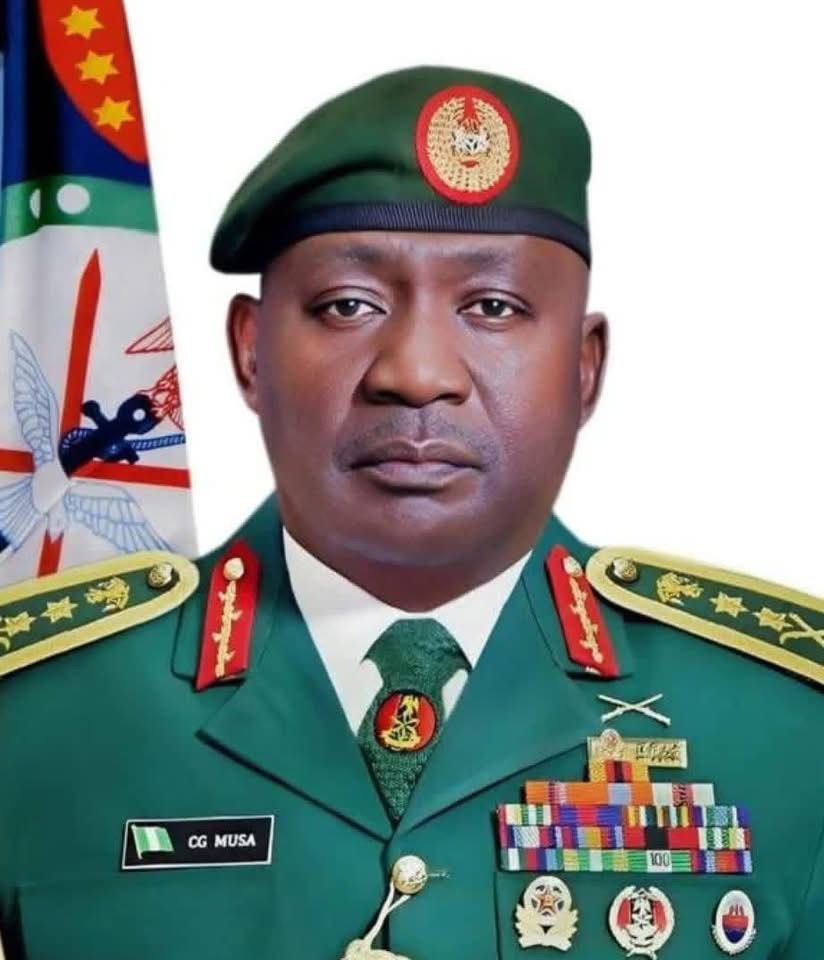
We commend the courage and patriotism of Nigerian soldiers who may currently be engaged in mopping up fleeing terrorist elements, should casualties have occurred. This development may also be interpreted as an indication of American confidence in the appointment of General Christopher Musa as the new Defence Minister, and in the strategic direction of Nigeria’s military leadership under his stewardship.
Overall, the majority of Nigerians have expressed profound gratitude to President Trump and to the Tinubu led administration for this renewed strategic security partnership, which is finally showing its teeth and claws, demonstrating tangible resolve and operational effectiveness.
God bless our Federal Republic of Nigeria.
Ata Ikiddeh