





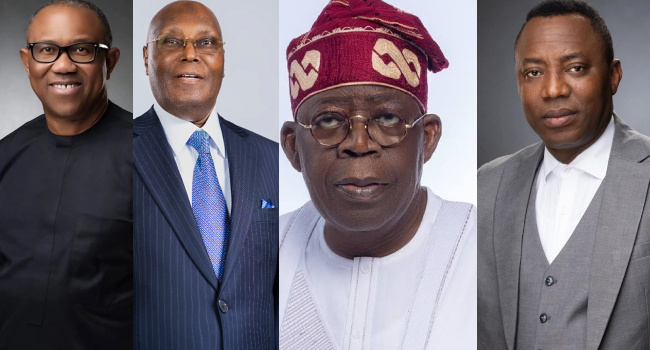
Campaigns for Nigeria’s 2027 presidential and National Assembly elections officially kick off today, August 19, 2026, setting the stage for a keenly contested presidential race ahead of the January 16, 2027 poll.
The presidential contest is shaping up as a partial rematch of the 2023 election, with incumbent President Bola Ahmed Tinubu seeking re-election against prominent opposition figures, including former Vice President Atiku Abubakar and former Anambra State Governor Peter Obi, among other presidential contenders.
Tinubu, the candidate of the All Progressives Congress (APC), defeated Atiku and Obi in the 2023 presidential election, emerging as Nigeria’s president after a closely fought contest.
The 2027 election, however, is expected to present a different political landscape, with the ruling APC seeking to consolidate its national structure while opposition parties intensify efforts to build a formidable challenge to the incumbent.
Major political parties and their candidates are expected to deploy their campaign structures across the 36 states and the Federal Capital Territory, taking their messages directly to voters and mobilising support at the grassroots.
The campaign period is expected to focus attention on critical national issues, including the economy, security, infrastructure, employment, education, healthcare, poverty reduction and the overall direction of the country.
President Tinubu is expected to campaign on the achievements and policies of his administration, while the opposition candidates are likely to present alternative approaches to addressing the challenges confronting Nigerians.
The 2027 presidential race will also test the strength of Nigeria’s political alliances, particularly as opposition parties seek greater cooperation and the governing APC works to retain its hold on the presidency.
With campaigns now officially underway, political activities are expected to intensify nationwide in the months ahead, as presidential candidates seek to convince Nigerians that they are best positioned to lead the country.
The January 16, 2027 presidential election is consequently shaping up to be one of the most closely watched political contests in Nigeria’s recent democratic history, with the outcome expected to have significant implications for the country’s political and socio-economic future.
As the campaigns begin, Nigerians will be looking beyond political rhetoric and personalities for credible programmes, responsible leadership and practical solutions to the challenges facing the nation.
Chief Edet Isong, Newsday Newspaper


